How to Choose a Residential Construction Contractor Without the Stress
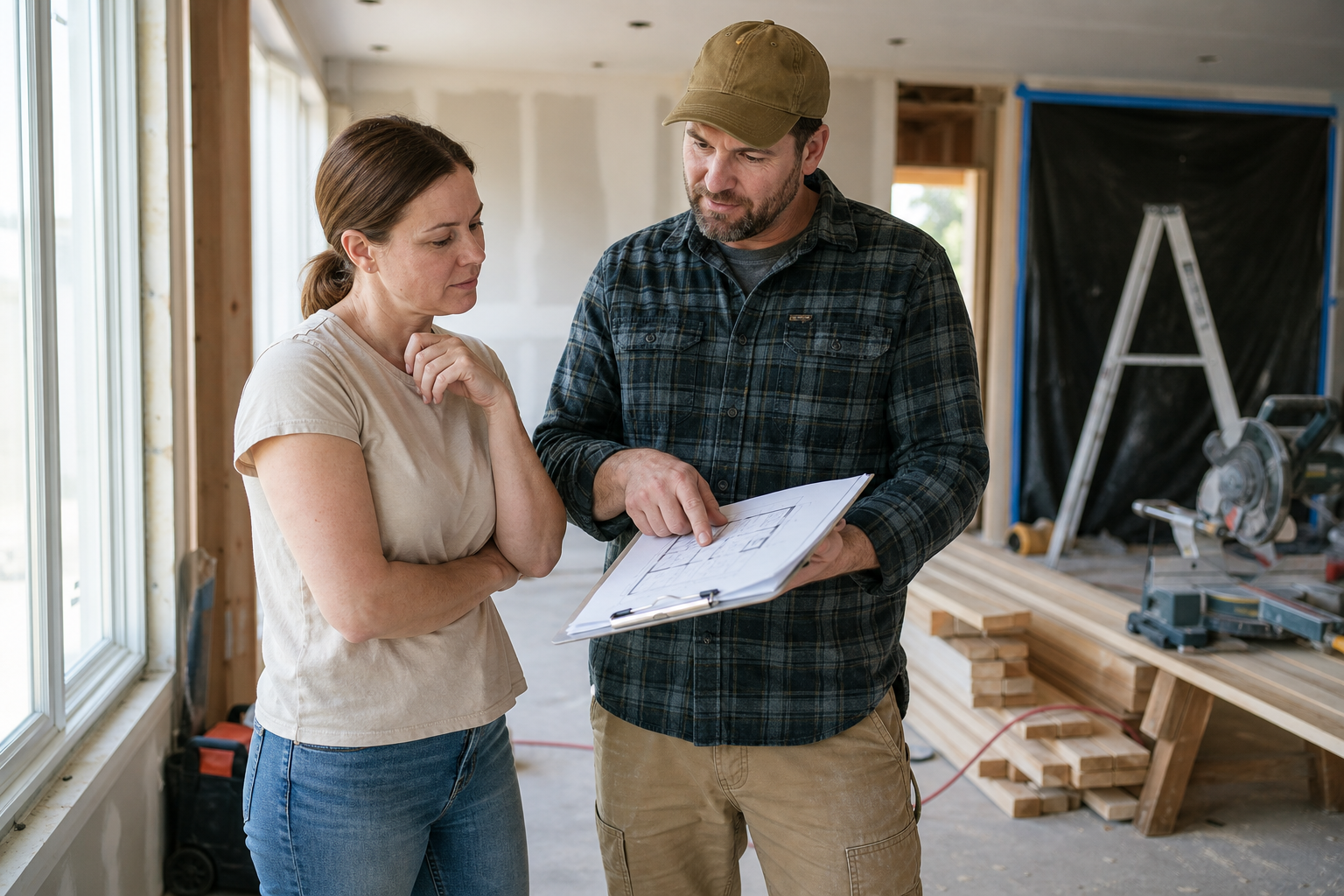
Choosing a residential construction contractor is easier when you know what to look for. Focus on relevant experience, clear communication, detailed estimates, and a strong contract.
How to choose the right contractor
Choosing a residential construction contractor is about more than finding someone who can do the work. You want a team that understands your goals, communicates clearly, respects your budget, and can manage the project from start to finish.
Before hiring, check the contractor’s licensing or registration requirements, insurance coverage, references, and experience with similar work. Requirements vary by location, so confirm the applicable requirements with the relevant local authority before work begins.
The most useful comparison points are relevant experience, clear communication, a detailed project scope, a written construction estimate, and a contract that clearly assigns responsibilities.
Start with the type of project you have
Not every contractor is the right fit for every job. A builder who focuses on new homes may not be the best match for a kitchen remodel, and a remodeler may not be the best choice for structural work or a home addition.
Before you compare contractors, be clear on what you need:
- New home construction
- Home additions
- Kitchen remodeling
- Bathroom remodeling
- Structural repairs
- General property improvements
- Commercial renovation work
The more specific you are, the easier it is to find a contractor whose experience matches your project.
Look for relevant experience, not just general claims
A strong contractor should be able to explain similar projects they have handled before. You do not need a long list of flashy promises. You need evidence that they have worked on projects like yours and understand the practical challenges involved.
Ask for references from similar past projects and, where appropriate, review examples of completed work. Contact references with questions about communication, scope changes, workmanship, schedule management, and how concerns were handled.
Ask questions such as:
- Have you completed projects similar to mine?
- How do you handle changes during construction?
- What parts of this job will require coordination with other trades?
- How do you keep projects on schedule?
Clear answers matter more than sales language.
Pay attention to communication early
Good construction projects depend on communication. If a contractor is difficult to reach, vague about the process, or slow to respond before the job starts, consider asking for clearer communication expectations before proceeding.
Look for a contractor who:
- Listens carefully to your needs
- Explains the process in plain language
- Sets realistic expectations
- Responds in a timely manner
- Answers questions without pressure
You should feel informed, not rushed.
Compare more than one estimate
Getting multiple estimates helps you understand the range of pricing and services. But the lowest number is not always the best value.
Ask each contractor to provide a written construction estimate and compare it with the proposed scope, materials, exclusions, payment terms, and stated timeline. Estimates may not be directly comparable when they cover different work or specifications.
When reviewing estimates, compare:
- What is included
- What materials are specified
- Whether labor is clearly broken out
- Whether cleanup is included
- How change orders are handled
- Whether the timeline is realistic
If one estimate is much lower than the others, ask what is missing. A vague estimate should be clarified before you compare it with other proposals.
Ask for a detailed scope of work
A clear scope of work helps prevent misunderstandings. It should explain what the contractor will do, what materials will be used, and what is excluded.
Ask whether permits, inspections, and approvals are needed for your project and who is responsible for obtaining them. Verify the requirements with the relevant local authority before work begins rather than assuming the contractor or homeowner has the same responsibilities.
A useful scope usually covers:
- Project goals
- Work phases
- Materials and finishes
- Site preparation
- Demolition, if needed
- Inspections or approvals
- Cleanup and completion details
The more specific the scope, the easier it is to manage expectations.
Review the contract carefully
A written contract protects both sides. It should not be a quick form with vague language. Read it closely before signing.
Also verify the contractor’s required license or registration and insurance coverage for the work. Where applicable, ask the licensing authority or insurer how to confirm the information. Keep copies of the contract, estimate, scope of work, proof of insurance, and any permit or approval documents.
Make sure it includes:
- Project description
- Payment terms
- Schedule or timeline
- Materials and product selections
- Change order process
- Warranty terms, if offered
- Responsibility for cleanup and disposal
- What happens if delays occur
If something is unclear, ask for it to be explained in writing before work begins.
Check for professionalism on site
A contractor’s professionalism shows up in the way they manage the job, not just in the estimate.
Look for signs such as:
- Organized planning
- Respect for your property
- Clean and safe work areas
- Clear updates on progress
- Careful handling of materials
- Consistent supervision of the crew
These details are useful to consider when evaluating the contractor’s approach to project management.
Common mistakes to avoid
Some hiring mistakes are easy to avoid once you know what to watch for.
Choosing only on price
A low bid may leave out important work or materials.
Not defining the project clearly
If the scope is vague, the final result may not match your expectations.
Skipping the contract review
Verbal promises are easy to misunderstand.
Ignoring communication problems
If the contractor is hard to reach before the job starts, that may not improve later.
Rushing the decision
Take enough time to evaluate your options before choosing a contractor.
Questions to ask before hiring
Use these questions to compare contractors more confidently:
- How long have you been doing this type of work?
- What is your process from start to finish?
- Who will supervise the project?
- How do you handle schedule changes?
- How are unexpected issues communicated?
- What materials do you recommend for this project?
- What does your estimate include and exclude?
A reliable contractor should be able to answer these clearly and confidently.
A simple way to decide
If you are trying to narrow down your options, compare contractors using the same criteria:
- Relevant experience
- Clear communication
- Detailed planning
- Transparent scope and contract
- Professional project management
That combination gives you a clearer basis for comparing a general contractor, home renovation contractor, remodeling contractor, or new home builder than relying on a single sales promise.
Why this matters
Residential construction affects your home, your routine, and your budget. A careful hiring process can help you identify missing information, clarify responsibilities, and compare contractors more consistently.
Whether you are planning a renovation, an addition, or a new build, review the contractor’s qualifications, references, insurance, permits, project scope, construction estimate, and contract before work begins.