What to Know Before Choosing Structural Repair and Reconstruction
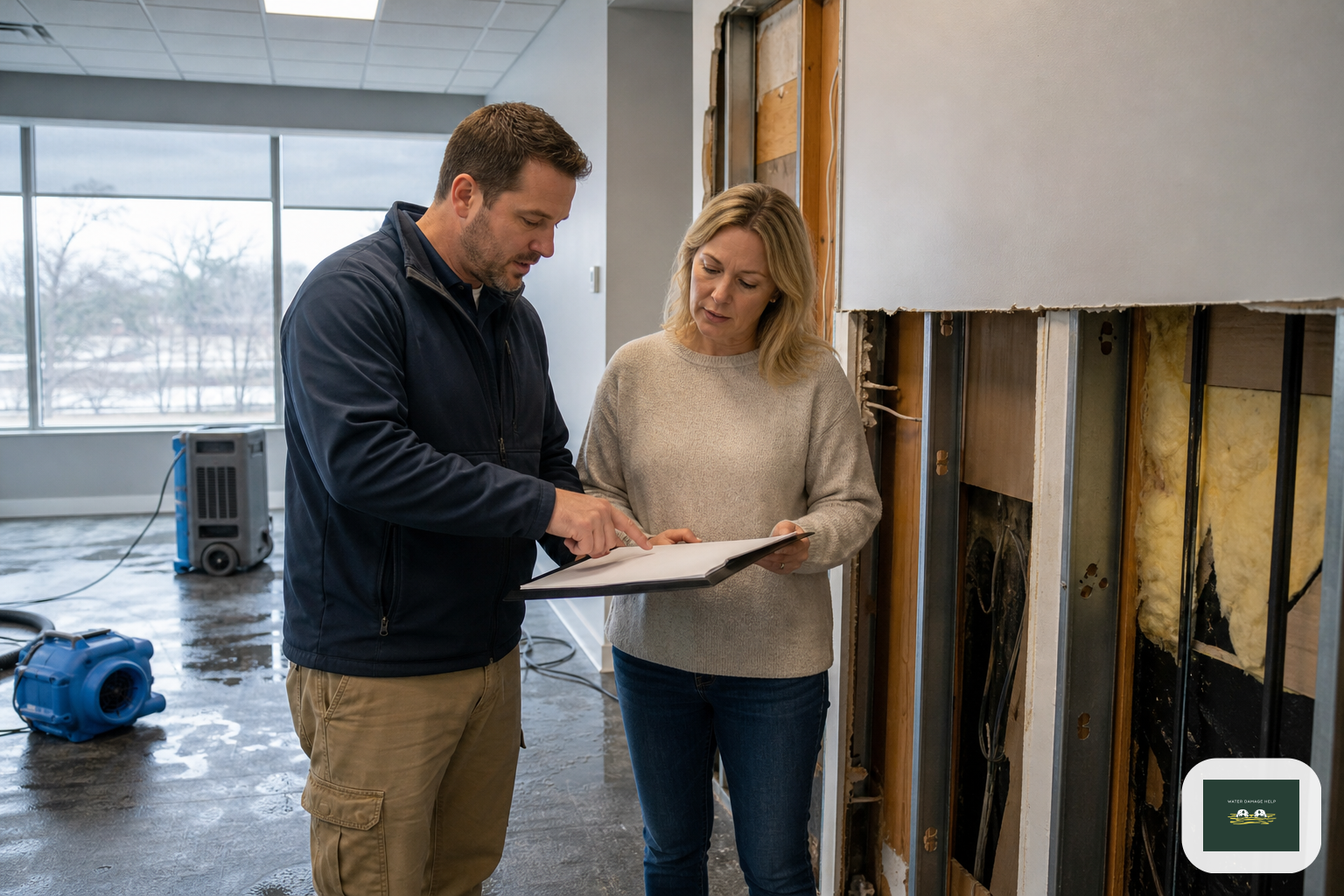
A practical guide for property owners on how to evaluate structural repair and reconstruction after water damage, including scope, documentation, permits, and provider questions.
After water damage, structural repair and reconstruction should come after the affected areas have been properly evaluated and dried as needed. The main question is not just “Can this be fixed?” but “What damage is left, what can be restored, and what should be rebuilt to return the property to safe, usable condition?”
Before choosing a provider, confirm the repair scope, review the documentation, ask how the work will be coordinated, and make sure the company can explain what happens next in practical terms.
What structural repair and reconstruction should cover
Structural repair and reconstruction are the parts of a water damage project that address the damaged structure after extraction and drying. The exact scope depends on the property and the extent of the damage, but the work should be specific enough that you know what is being repaired, replaced, or rebuilt.
A clear scope should address:
- Which rooms or building areas were affected
- Which materials can remain and which need replacement
- What framing, drywall, flooring, trim, or finishes are included
- Whether any hidden damage was found during opening or inspection
- Whether the work includes reassembly after drying and remediation steps are complete
If a provider is vague about the scope, that is a sign to ask for more detail before work starts. A good proposal should match the actual damage, not just offer a general repair promise.
How to tell whether the property is ready for repair
Structural repair should not begin on assumptions. The property should be evaluated first so the repair plan is based on current conditions, not just visible damage.
Before approving reconstruction, ask whether the provider has confirmed:
- The affected materials have been assessed for remaining moisture.
- Any hidden damage has been documented.
- Drying work is complete where needed.
- The area can be opened or rebuilt without trapping unresolved moisture.
- The repair plan reflects the actual condition of the structure.
Confirm drying status before reconstruction begins. That is why moisture detection and drying records matter before reconstruction begins.
What to look for in a provider
When comparing contractors for structural repair and reconstruction, focus on clarity, documentation, and coordination rather than a broad sales pitch.
Useful questions include:
- What parts of the damage will be repaired versus replaced?
- Will the provider explain the repair scope in writing?
- Does the company handle reconstruction directly or use subcontractors?
- How will changes in scope be documented if hidden damage is found?
- What photos, moisture readings, or notes will be provided for the file?
- How will the repair work coordinate with drying and any other restoration steps?
You are looking for a provider who can explain the project clearly and update the plan if conditions change. Ask how the provider will update the scope if conditions change.
Documentation to request before work starts
Good documentation helps everyone stay aligned: the property owner, the contractor, and the insurance adjuster if a claim is involved.
Ask for documents that show:
- The affected areas and observed damage
- Moisture readings or moisture report information, if available
- Drying logs or drying progress notes when relevant
- Photographic documentation of the damage
- A written estimate or repair scope
- Any notes explaining why certain items need repair or replacement
This information can help explain the project and support claim coordination, though it does not guarantee claim approval or reimbursement.
Permits, subcontractors, and insurance coordination
Structural repair and reconstruction may involve permits or subcontracted trades depending on the work needed. Before authorizing the job, clarify who is responsible for permits and whether the provider will coordinate any outside trades.
Ask these practical questions:
- Is a permit needed for this scope of work?
- Who will obtain it if one is required?
- Will any electrical, plumbing, or other trade work be subcontracted?
- How will those subcontractors be scheduled and supervised?
- How will any scope changes be documented for insurance purposes?
If insurance is involved, keep the project documentation organized and consistent. The goal is to make the repair scope easier to understand, not to assume any particular claim outcome.
Common mistakes to avoid
Problems can arise when repair decisions are made without enough detail.
Avoid these mistakes:
- Approving reconstruction before the damaged area is properly evaluated
- Accepting a vague estimate that does not describe the full scope
- Skipping moisture verification before rebuilding
- Assuming all hidden damage will be obvious without opening affected areas
- Overlooking permit questions or subcontractor coordination
- Failing to save photos, notes, and written estimates
If any of these steps are unclear, pause and ask for clarification before authorizing work. Ask for clarification before authorizing work.
Closing next step
If you are comparing structural repair and reconstruction after water damage, start by confirming the scope, the drying status, the documentation, and who will manage permits and subcontractors. Then compare providers based on how clearly they explain the work and how well they document what they find. The right next step is to request a written scope that matches the actual damage before any reconstruction begins.
FAQ
When is structural repair or reconstruction needed after water damage?
It is usually considered after the property has been inspected, the affected materials have been dried as needed, and the remaining damage is clearly identified. The decision depends on what was damaged, how far the water spread, and whether materials can be restored or need replacement.
What should a structural repair estimate include?
A useful estimate should describe the damaged areas, the intended scope of repair or reconstruction, the materials to be replaced or rebuilt, and any expected subcontracted work. It should also be clear enough to compare against the documented damage.
Why does documentation matter before reconstruction starts?
Documentation helps show what was damaged, what condition the property was in before repairs, and what work was recommended. Photos, moisture readings, drying logs, and written scope notes can support insurance coordination and reduce confusion later.
Should permits be confirmed before work begins?
Yes. If permits are needed for the planned work, they should be confirmed before reconstruction begins. The property owner should know who is responsible for permitting and whether subcontractors will be used.