What to Do After Water Damage Before Help Arrives
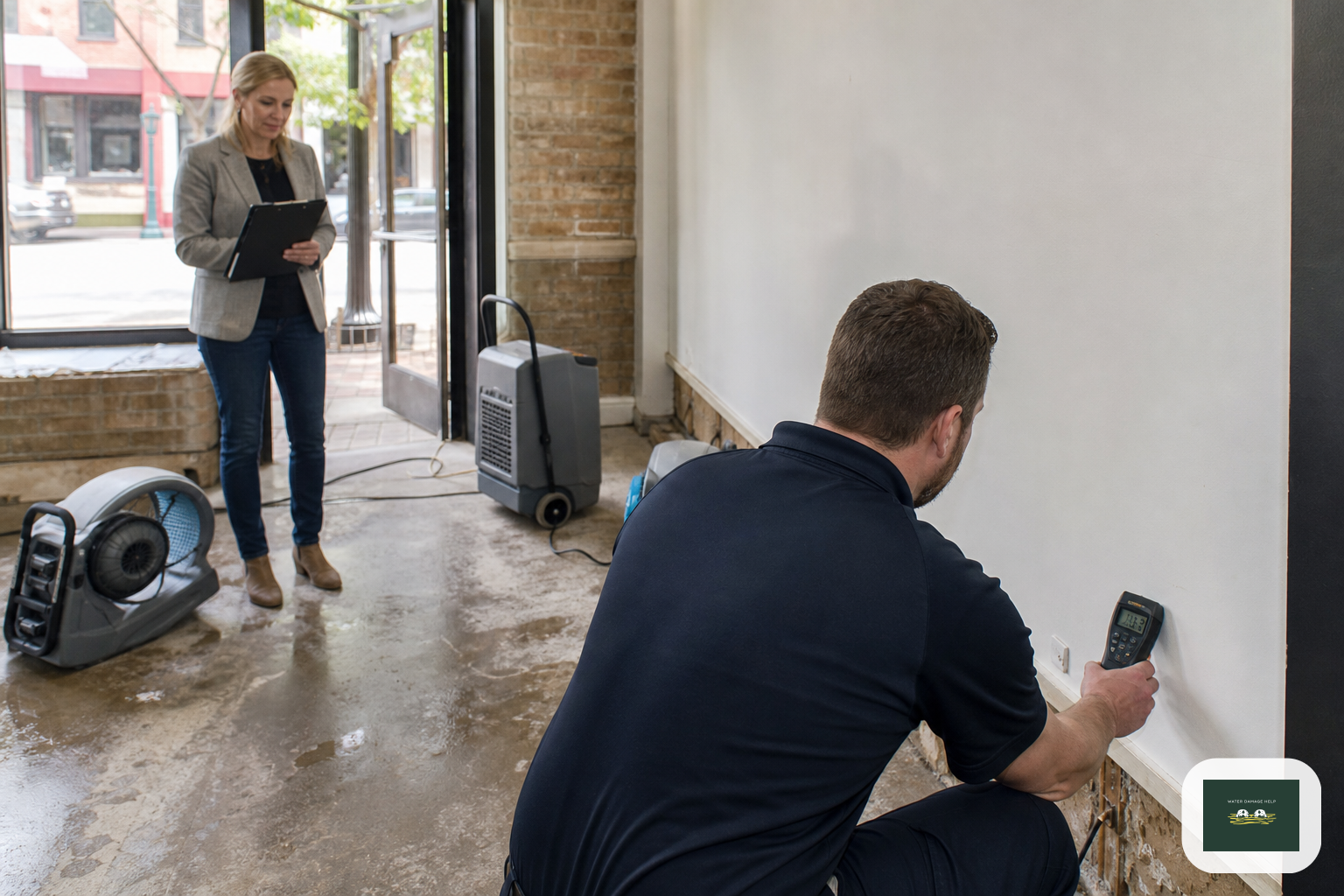
After water damage, safety and speed matter most. Learn the first steps to take, what to avoid, how professional drying works, and what to document for insurance.
If your home or business has water damage, the most important first step is to stop the water if you safely can, protect people and belongings, and get professional help for extraction, drying, and moisture inspection as soon as possible. Acting quickly can help limit further damage, but it is just as important to avoid mistakes that make cleanup harder or create safety risks.
First steps to take right away
Start with safety. If water is near outlets, appliances, or the electrical panel, avoid entering the area until it is safe. If the source is a burst pipe, leaking appliance, or other internal plumbing issue and you can do so without risk, shut off the water supply. If the damage is from flooding or sewage, stay out of contaminated water and keep children and pets away.
Once the immediate hazard is under control, focus on limiting spread:
- Move furniture, rugs, boxes, and other items out of the wet area if they can be moved safely.
- Remove small valuables, paperwork, and electronics only if you can do so without walking through unsafe water.
- Use towels or mops to slow surface water if it is safe and practical.
- Open doors or windows only if doing so will not spread moisture into unaffected areas or create another hazard.
Do not use household vacuums on standing water, and do not assume surfaces are dry just because they feel dry to the touch. Water often moves under flooring, behind baseboards, and into wall cavities where damage can continue unseen.
Why professional drying matters
Water damage is not only about what you can see. Moisture can remain trapped inside drywall, flooring, cabinets, insulation, and framing. If that hidden moisture is missed, it can lead to swelling, warping, staining, and conditions that support microbial growth.
Professional restoration typically includes several steps:
Water extraction
Standing water is removed as quickly as possible to reduce ongoing damage and make the affected area safer to work in.
Moisture detection
Technicians use inspection tools to identify where water has migrated, including areas that may look dry on the surface.
Structural drying and dehumidification
Air movement and dehumidification help dry affected materials in a controlled way instead of letting moisture linger inside building materials.
Cleaning and mold prevention measures
Affected areas are cleaned and monitored so drying can continue safely and the risk of additional damage is reduced.
For property owners in Camas, Vancouver, Washougal, Portland, Gresham, and nearby communities, a local restoration team can inspect the damage and help determine what can be dried, what needs cleanup, and what may need repair.
How to document the damage for insurance
Good documentation can make it easier to explain what happened and what was affected. It does not guarantee a claim outcome, but it helps create a clearer record.
Useful documentation includes:
- Photos and videos of the source of water, the affected rooms, and damaged contents
- Notes about when the damage was first noticed and what caused it, if known
- A list of items affected by the water
- Receipts for emergency repairs, temporary cleanup supplies, or damaged belongings if available
- Any drying logs, moisture readings, and inspection notes provided by the restoration company
If you contact a restoration company that assists with insurance documentation, ask what materials they can provide for your records. Detailed estimates, moisture reports, drying logs, and photo documentation can be useful when you speak with your insurer.
Common mistakes to avoid after water damage
Some well-intended actions can make cleanup more difficult or increase the risk of hidden damage.
Waiting too long to act
Even a small leak can spread into materials you cannot see. Delays often allow more materials to be affected.
Turning on fans too early in the wrong areas
Air movement can help drying when it is part of a controlled plan, but random use of fans can sometimes spread moisture or move contamination into other parts of the property.
Removing flooring or drywall without knowing the full extent
Tearing out materials before inspection can make it harder to understand where the water traveled and what still needs drying.
Ignoring odors or staining
A musty smell, discoloration, or soft flooring can be a sign that moisture remains even if the surface looks better.
Assuming clean water stays clean
Water from appliances, supply lines, or drains can still create sanitation and structural concerns depending on where it came from and how long it sat.
When to call a restoration professional
You should contact a restoration professional as soon as possible if you have standing water, water behind walls or under flooring, recurring leaks, wet insulation, ceiling staining, or signs of contamination. The same is true if the damage affects a commercial space, rental property, or occupied home where delays could interrupt business or daily life.
A trained team can inspect the area, remove water, monitor moisture, and explain which parts of the property may need cleanup or repair. Water Damage Help provides residential and commercial water extraction, structural drying, moisture detection, flood damage cleanup, sewage cleanup, and restoration documentation within the local service area around Camas, Washington.
Next step
If your property has water damage, start with safety, document what you can, and arrange a professional inspection and drying plan quickly. The sooner the moisture is located and removed, the better your chances of limiting further damage and getting the restoration process moving in the right direction.