What to Know Before Choosing Emergency Water Extraction
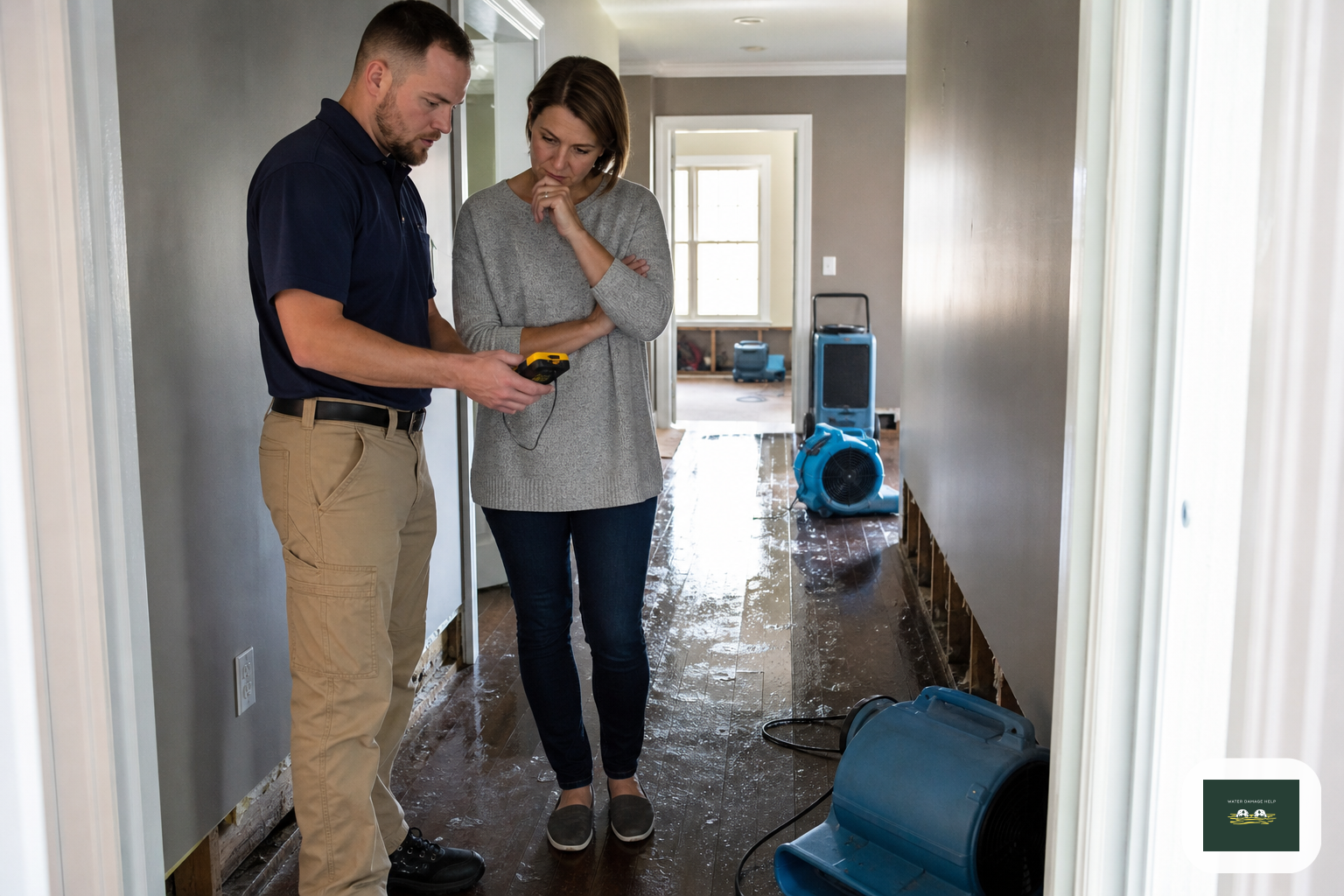
A practical pre-hire guide to emergency water extraction: what the service should include, how to compare providers, what documents to request, and how to avoid common mistakes.
Emergency water extraction is the first step after a leak, burst pipe, flood, or appliance failure. Before you hire a provider, make sure they can remove standing water, find hidden moisture, dry affected materials, and document the job clearly for insurance and repair planning.
What emergency water extraction should include
Water extraction is more than pumping out visible water. A complete response may start with an inspection, then move into extraction, moisture detection, structural drying, and follow-up checks to track whether wet materials are drying as expected.
A good provider should be able to explain:
- How they locate moisture in floors, walls, and other hidden areas
- What equipment they use for extraction and drying
- How they decide what can be dried and what needs removal
- How they track progress over time
- What documentation they provide for the property owner and insurer
Signs you need a professional right away
You should treat the situation as urgent if you notice any of the following:
- Standing water on floors or carpets
- Water spreading into walls, cabinets, or ceilings
- Damp drywall, baseboards, or insulation
- Electrical outlets or equipment near water
- Water from a contaminated source
- Soft, warped, or bubbling building materials
- Moisture that lingers after a cleanup attempt
If the water has reached multiple rooms, soaked structural materials, or may have been contaminated, contact a provider that handles professional extraction and drying.
How to evaluate a restoration provider before you hire
Choosing the right company matters because the goal is not just to remove water quickly. You also want a provider that understands structural drying, moisture detection, and documentation for a restoration claim.
Verify qualifications and service fit
Ask whether the provider handles the type of loss you have. For example, some jobs involve clean water from a supply line, while others involve flood damage or sewage cleanup. The right company should be clear about what they do and where they work.
If you are in Camas, Vancouver, Washougal, Battle Ground, Ridgefield, Portland, Gresham, Troutdale, or nearby communities, confirm that the company serves your area before scheduling.
Water Damage Help, for example, lists water extraction, structural drying, moisture detection, flood damage cleanup, sewage cleanup, structural repair and reconstruction, and insurance claim assistance within its local service area.
Ask about the extraction and drying process
Before you agree to service, ask practical questions such as:
- How do you inspect for hidden moisture?
- What equipment do you use for extraction and drying?
- How do you protect undamaged areas of the property?
- How often do you return to check drying progress?
- How do you decide whether materials can stay in place or need removal?
- Do you provide photos, drying logs, and moisture readings?
A provider who answers clearly can make it easier to understand what is happening on site.
Compare documentation, not just price
For insurance-related losses, documentation can matter as much as the work itself. Ask whether the company provides:
| What to ask for | Why it matters | |---|---| | Detailed estimate | Helps explain the scope of work and expected restoration tasks | | Moisture report | Shows where hidden water was found | | Drying log | Tracks equipment use and drying progress | | Photographic documentation | Creates a visual record of the damage and work performed |
Compare the scope of work, including moisture detection, monitoring, and documentation, rather than choosing only by price.
What to do before the crew arrives
You can reduce risk and help the extraction go more smoothly by taking a few safe steps before the team arrives.
Safe steps for homeowners and property managers
- Turn off the water source if it is safe and you know how to do it
- Avoid walking through deep water if electrical hazards may be present
- Move dry belongings out of the affected area if you can do so safely
- Take photos or video of the damage before anything is moved
- Keep children and pets away from the wet area
- If the water may be contaminated, do not try to clean it up yourself
Common mistakes to avoid
- Waiting to see if the water dries on its own
- Using household fans and assuming that is enough
- Ignoring wet walls, baseboards, or subflooring
- Hiring only by price without asking about drying and documentation
- Assuming insurance coverage or claim approval is automatic
Hidden moisture is an important concern. A floor that looks dry can still trap water underneath, which is why moisture detection and follow-up drying may be part of the restoration process.
A practical way to choose the right provider
Use this simple order of priorities:
- Confirm the company serves your area and handles your type of loss.
- Ask how they remove water and check for hidden moisture.
- Verify that they provide documentation you can use for insurance.
- Compare the scope of work, not just the total price.
- Choose the team that explains the process clearly and responds professionally.
If you want a local provider that offers emergency water extraction, structural drying, moisture detection, and insurance claim assistance, start by reviewing the services and contact options on Water Damage Help’s website.
Next step
Gather photos, note what happened, and contact a restoration provider with the right questions ready. Confirm the extraction and drying plan so you can keep the restoration organized.
FAQ
What is emergency water extraction?
It is the rapid removal of standing water from a property, usually followed by moisture detection and structural drying to reduce further damage.
Should I choose the lowest estimate?
Not by itself. Compare the scope of work, drying plan, documentation, and qualifications, not just the price.
What documents should I ask for?
Ask for a detailed estimate, moisture report, drying log, and photos of the affected areas and work performed.
Does water extraction mean the property is fully dry?
No. Extraction removes visible water, but hidden moisture in walls, floors, and contents often still needs professional drying and monitoring.