How Water Damage Restoration Works: A Practical Guide
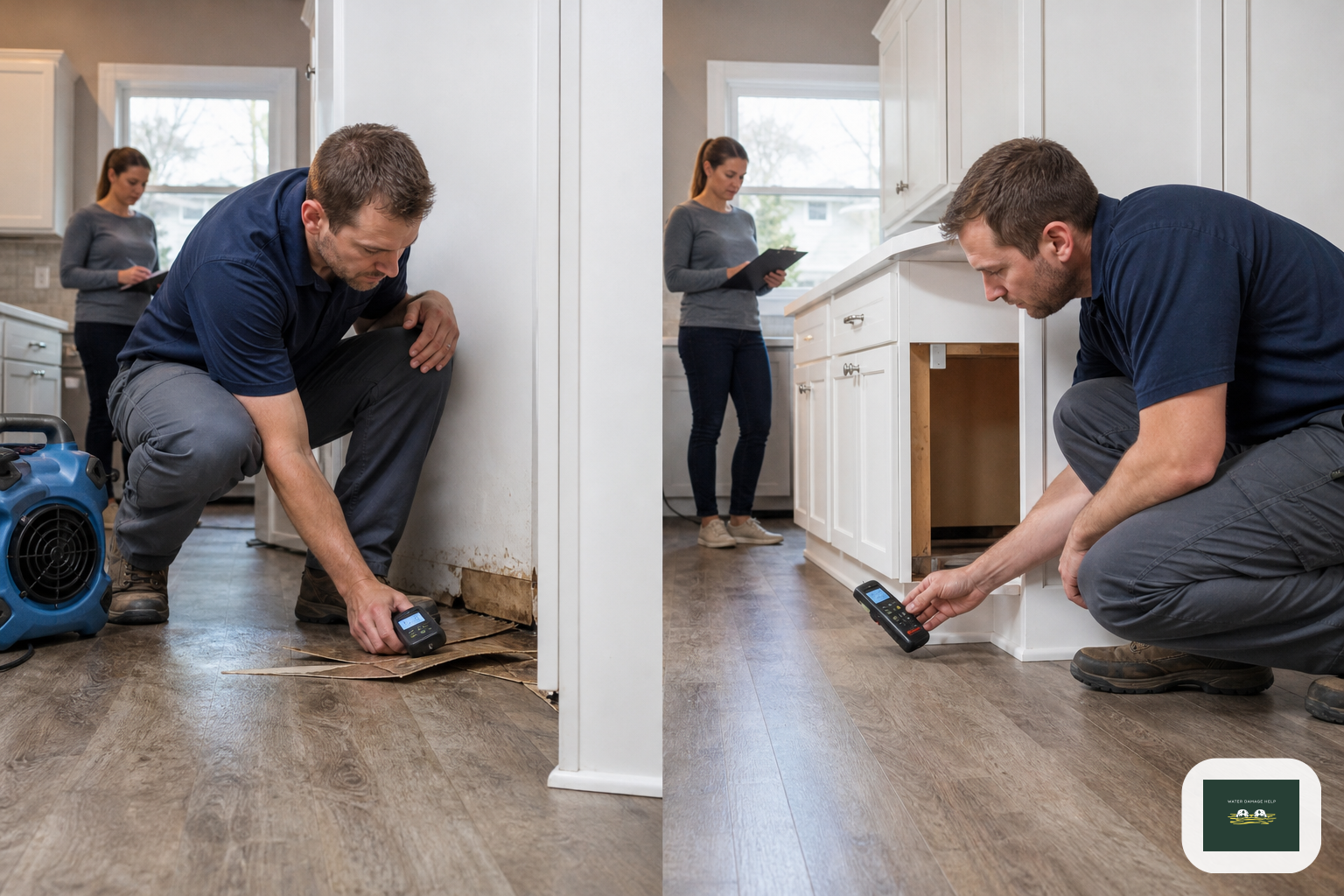
A practical guide that explains the full water damage restoration process, what professionals do at each stage, what property owners should do first, and why moisture verification matters.
Water damage restoration is the process of assessing the damage, removing standing water, drying affected materials, cleaning the space, and repairing what cannot be recovered. In practical terms, the job is about stopping the damage from spreading, finding hidden moisture, and returning the property to a safe, usable condition.
The restoration process, step by step
A professional restoration job usually follows a clear sequence. The exact order can change based on the source of water, how long the area has been wet, and which materials are affected.
| Stage | What happens | Why it matters | |---|---|---| | Assessment | The crew inspects the affected area and looks for visible and hidden moisture | This shows how far the water spread and what needs immediate attention | | Water removal | Standing water is extracted from floors and other surfaces | Fast removal helps limit additional damage | | Moisture detection | Specialized tools check walls, floors, and other materials | Hidden moisture can cause the problem to continue after the surface looks dry | | Drying and dehumidification | Air movement and dehumidification help dry structural materials | Proper drying reduces the chance of lingering damage | | Cleaning and sanitation | Affected surfaces are cleaned based on the type of water and materials involved | This helps restore the area and address contamination concerns | | Repairs and reconstruction | Damaged materials are repaired or replaced | This restores the property to normal use | | Documentation | Photos, moisture logs, and estimates are recorded | These records can help support an insurance claim |
Why the inspection comes first
Restoration is not just about removing visible water. Water often moves under flooring, behind baseboards, and into wall cavities. A good inspection helps determine:
- where the water started
- how far it traveled
- which materials can likely be dried
- which materials may need removal
- whether the space needs cleanup beyond drying
That early assessment guides every later step.
Why moisture verification matters
A room can look dry before it is actually dry. Moisture detection helps confirm whether wood, drywall, insulation, or other materials still hold water. That matters because trapped moisture can keep causing damage even after the surface appears normal.
Restoration crews use these readings to decide when drying is complete and whether more work is needed. For property owners, this is one of the clearest signs that the process is being handled carefully rather than rushed.
What property owners should do before help arrives
You do not need to fix the problem yourself before a restoration company arrives. The most helpful actions are the safe ones that reduce further damage.
Safe steps you can take
- Stop the source of water if you can do so safely.
- Move furniture, rugs, documents, and valuables out of wet areas if they are easy to reach.
- Keep people and pets away from hazardous rooms.
- Turn off electricity to affected areas only if it is safe and you know how to do it.
- Take photos of the damage for your records.
What to avoid
- Do not walk through standing water if electrical hazards may be present.
- Do not enter rooms with sagging ceilings or bulging walls.
- Do not use household fans or heating equipment on heavily wet materials unless a professional advises it.
- Do not delay the call while waiting to see if the area dries on its own.
The goal before the crew arrives is simple: reduce risk and prevent the water from spreading further.
How cleanup, repairs, and documentation fit together
Restoration does not end when the visible water is gone. Cleanup, repairs, and records are part of the same process.
Cleaning is different from drying
Drying removes moisture from materials. Cleaning addresses dirt, residue, and contamination left behind by the water intrusion. Depending on the source of water and the surfaces involved, this may include removal of damaged materials, surface cleaning, and sanitation.
Repairs bring the space back together
Some damage can be repaired in place. Other materials may need to be replaced. That can include drywall, trim, flooring, or other affected building components. The purpose of repair work is not cosmetic only; it also helps restore the structure and close off areas that were exposed to moisture.
Documentation helps with insurance claims
Water damage documentation can include photos, moisture readings, drying logs, and repair estimates. Clear records make it easier to show what was damaged, what work was performed, and how the property changed during the restoration process. Water Damage Help provides this type of documentation support for residential and commercial properties in its service area.
How to evaluate whether a restoration company is doing the job right
If you are comparing providers, look for signs that the process is thorough rather than rushed.
Good signs to look for
- They inspect for hidden moisture, not just visible water.
- They explain what will be dried, cleaned, repaired, or removed.
- They use moisture readings to track progress.
- They document the work with photos and logs.
- They explain the next step before moving on.
Questions worth asking
- What will you check for beyond the visible water?
- How will you verify that materials are dry?
- Which parts of the property are likely to need cleanup or repair?
- What documentation will I receive for my records or insurance claim?
Clear answers to those questions usually indicate a more organized restoration process.
The practical takeaway
Water damage restoration works best when it follows a sequence: assess the damage, remove water, detect hidden moisture, dry the structure, clean affected areas, repair what was lost, and document the job carefully. If you are dealing with water damage in Camas, Vancouver, Portland, or a nearby community, the next practical step is to have the affected area inspected as soon as it is safe so the restoration plan can begin.
If you need help understanding the process for your specific property, a restoration provider can walk you through the next steps and explain what should happen at each stage.
FAQ
What happens first in water damage restoration?
The first priority is to identify the source of water, make the area safe, and assess how far the moisture has spread. From there, the crew can begin extraction, drying, and material-specific cleanup.
How is moisture checked during restoration?
Professionals use moisture meters and other detection tools to find water in visible and hidden areas, such as flooring, wall cavities, and baseboards. Those readings help confirm what needs drying and when the work is complete.
Can all water-damaged materials be saved?
Not always. Some materials may dry out and recover, while others may need removal if they are too damaged, contaminated, or likely to hold moisture. The decision depends on the material and the extent of the damage.
What should I do before the restoration crew arrives?
If it is safe, stop the source of water, avoid electrical hazards, move valuables out of the wet area, and limit foot traffic. Do not enter rooms with sagging ceilings, active electrical risk, or heavily contaminated water.