What Documentation Helps After Water Damage?
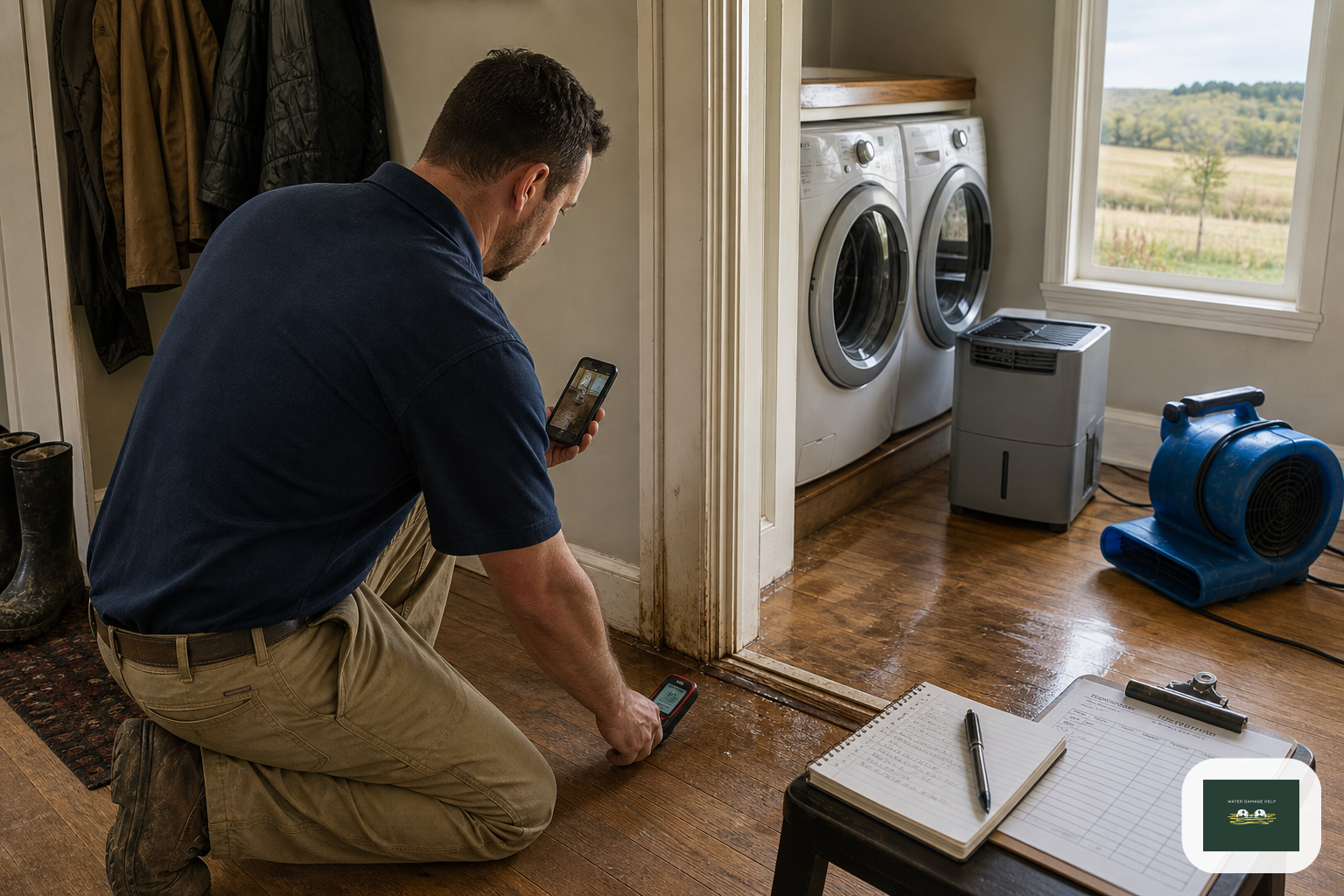
After water damage, the most helpful records are photos, videos, moisture readings, drying logs, estimates, and written notes that show what was affected and how it was handled.
After water damage, the most useful documentation is a clear record of what was affected, when the damage was noticed, what steps were taken to stop it, and how the property was dried and cleaned. Good documentation can help you organize the restoration process and support an insurance claim, but it does not guarantee approval or payment.
Start documenting before cleanup changes the scene
The best time to begin is as soon as it is safe to enter the area. Before moving anything, take photos and videos that show the overall room and the affected materials. Capture the source of the water if it is visible, such as a burst pipe, leaking appliance, roof intrusion, or flooded area.
Useful documentation at this stage includes:
- Wide photos of every affected room
- Close-up photos of damaged walls, floors, ceilings, cabinets, and belongings
- Videos that show the extent of visible water and affected areas
- Notes about when you discovered the damage and what you observed
- Records of any immediate actions you took, such as shutting off water or power if it was safe to do so
If you can safely keep damaged items in place until they are photographed, that helps preserve a more complete record of the loss. If something must be moved for safety, note that in your records.
What to include in your written notes
Your notes do not need to be formal, but they should be specific. Include the date and time, the rooms affected, what you believe caused the damage, and whether water was clean, gray, or contaminated if that is known. Avoid guessing about causes if you are not sure.
Restoration records that support the claim process
Once professional water damage restoration begins, the paperwork and technical records become just as important as the photos. These materials show what was found during inspection and what was done to dry and stabilize the property.
Common records that help include:
- Moisture reports from inspection
- Drying logs that track equipment and conditions over time
- Photos taken during extraction and drying
- Detailed estimates that describe the affected areas and work performed
- Equipment placement notes for air movers and dehumidifiers
- Documentation of any materials that had to be removed because they could not be dried safely
These records help create a timeline of the loss and the response. They also show that the property was monitored during the drying process rather than left untreated.
Why moisture documentation matters
Hidden moisture is one of the main reasons water damage can worsen after the visible water is gone. Moisture detection helps identify damp materials behind walls, under flooring, or inside cavities. Including those readings in the job file gives a more accurate picture of the damage than surface photos alone.
Keep a simple file with all claim-related information
A single organized file is easier to use than scattered texts, emails, and loose photos. Keep everything in one place so you can quickly share it with your insurer, restoration provider, landlord, or property manager if needed.
A practical file can include:
- Photos and videos from before and after cleanup
- Insurance policy information and claim number, if one has been assigned
- Names and contact information for the insurance adjuster and restoration company
- Estimates, invoices, and receipts related to the loss
- Moisture reports, drying logs, and inspection notes
- A list of damaged items, including approximate age and condition if known
- Copies of any emails or written messages about the loss
If you are managing the property for someone else, keep a clear record of who approved the work and when. That can prevent confusion later.
Common documentation mistakes to avoid
A few simple mistakes can make it harder to explain the damage later:
- Throwing away damaged items before photographing them
- Cleaning or discarding materials before the loss is documented
- Relying only on a few surface photos
- Failing to save estimates, receipts, or inspection notes
- Mixing unrelated repairs into the same file
- Assuming the insurer already has the full picture from a phone call alone
Documentation works best when it is consistent and complete. Even basic notes can be helpful if they are accurate and saved early.
When to ask for professional documentation help
Professional documentation is especially helpful when the damage is extensive, affects multiple rooms, or involves hidden moisture. It is also useful for commercial properties, rental units, and situations where several parties need the same records.
A restoration company can provide moisture reports, drying logs, and photographic documentation that support the restoration process and help you stay organized during the claim. If you need help after a leak, burst pipe, flood, or appliance failure, Water Damage Help provides water extraction, structural drying, moisture detection, and documentation support for properties in Camas and nearby communities.
Next step
If your property has water damage, start with photos, written notes, and a record of what happened, then move quickly to professional inspection and drying. The earlier the damage is documented, the easier it is to track the loss and restore the property safely.